
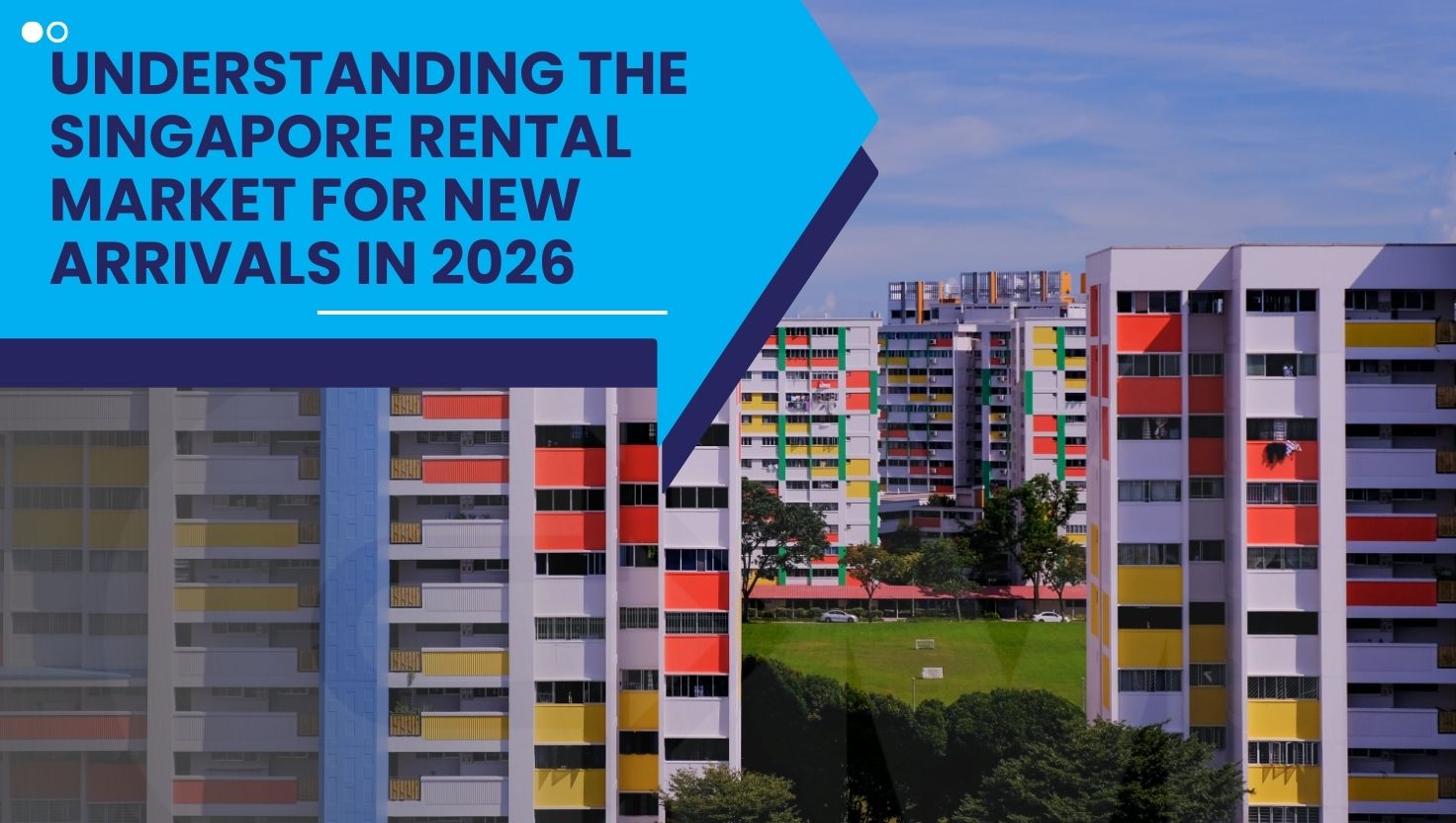
Moving to Singapore can be an exciting opportunity, whether for work, study, or lifestyle reasons. However, understanding the Singapore rental market for new arrivals in 2026 can be challenging for those unfamiliar with local practices, regulations, and property trends. From choosing the right neighbourhood to negotiating lease agreements, having the right information is essential to securing suitable accommodation quickly and efficiently.
How the Singapore Rental Market for New Arrivals Works
Singapore’s rental market is dynamic, influenced by economic trends, population growth, and expatriate demand. In 2026, the market remains competitive, particularly in central districts and areas popular with professionals, such as Orchard, Marina Bay, and the Central Business District (CBD). Rental prices vary significantly depending on location, property type, and amenities, so new arrivals must research carefully to find accommodation that fits both their needs and budget.
Private condominiums, HDB flats (public housing), and serviced apartments are the most common rental options. Condominiums often offer extensive facilities such as gyms, swimming pools, and security, but tend to be more expensive. HDB flats are more affordable but usually have stricter eligibility requirements for foreigners. Serviced apartments provide flexibility and convenience, particularly for short-term assignments or those relocating without family.
Choosing the Right Neighbourhood
Location is one of the most important factors when renting in Singapore. New arrivals should consider proximity to work, schools, public transport, and essential amenities. For families, access to reputable schools and recreational facilities is key, while young professionals may prioritise connectivity and lifestyle options.
Popular expatriate-friendly areas include:
Orchard and River Valley – Central locations with excellent amenities, shopping, and dining options.
East Coast and Marine Parade – Ideal for families seeking a coastal lifestyle and good schools.
Holland Village and Bukit Timah– Known for vibrant communities, international schools, and green spaces.
Each neighbourhood has its unique appeal, and understanding local nuances can help new arrivals make informed decisions.
Understanding Lease Agreements
Lease agreements in Singapore typically last 12 months, though shorter or longer terms are sometimes available. Most leases require a security deposit of one to two months’ rent, and the first month’s rent is usually paid upfront. It’s essential to read the lease carefully, noting clauses on early termination, maintenance responsibilities, and restrictions on modifications or subletting.
New arrivals should also familiarise themselves with the Singapore Land Authority’s rules and regulations regarding rentals to avoid disputes or misunderstandings. Engaging a professional relocation service provider can help clarify lease terms and assist in negotiations with landlords.
Budgeting for Additional Costs
Rent is only part of the cost of living in Singapore. Utilities, internet, air-conditioning, maintenance fees, and agent fees can add significantly to monthly expenses. For expatriates, it’s important to factor these costs into the overall budget. Some serviced apartments include utilities in the rental price, which can simplify planning, particularly for short-term stays.
Working with Real Estate Agents
Navigating the rental market as a new arrival can be overwhelming. Local real estate agents can provide valuable insights, match tenants with suitable properties, and facilitate negotiations. Many agents specialise in expatriate rentals and understand the specific needs of newcomers, such as proximity to schools, transport links, and lifestyle preferences.
It’s important to choose a licensed agent and clarify their fees upfront. Typically, agent fees are equivalent to half a month’s rent for a one-year lease, payable upon successful tenancy.
Tips for a Smooth Rental Process
Research Extensively– Use online property portals and relocation guides to understand pricing trends and neighbourhood profiles.
Visit Properties in Person– If possible, inspect units before committing to a lease to ensure they meet expectations.
Plan for Timing– The rental market can move quickly, especially in popular areas, so start your search early.
Clarify Lease Terms– Confirm details such as move-in dates, maintenance responsibilities, and deposit procedures.
Consider Relocation Support– Professional relocation providers can help with everything from property search to lease negotiations, reducing stress for new arrivals.
Understanding the Singapore rental market in 2026 is crucial for a smooth relocation experience. By researching neighbourhoods, budgeting for additional costs, and familiarising yourself with lease agreements, new arrivals can secure accommodation that meets their needs and ensures a comfortable start in the city.
Relocating to Singapore? CM Relocation offers expert support for new arrivals, from property searches and lease negotiations to settling-in services. Contact us today to make your move stress-free and ensure you find the perfect home in Singapore’s competitive rental market.