
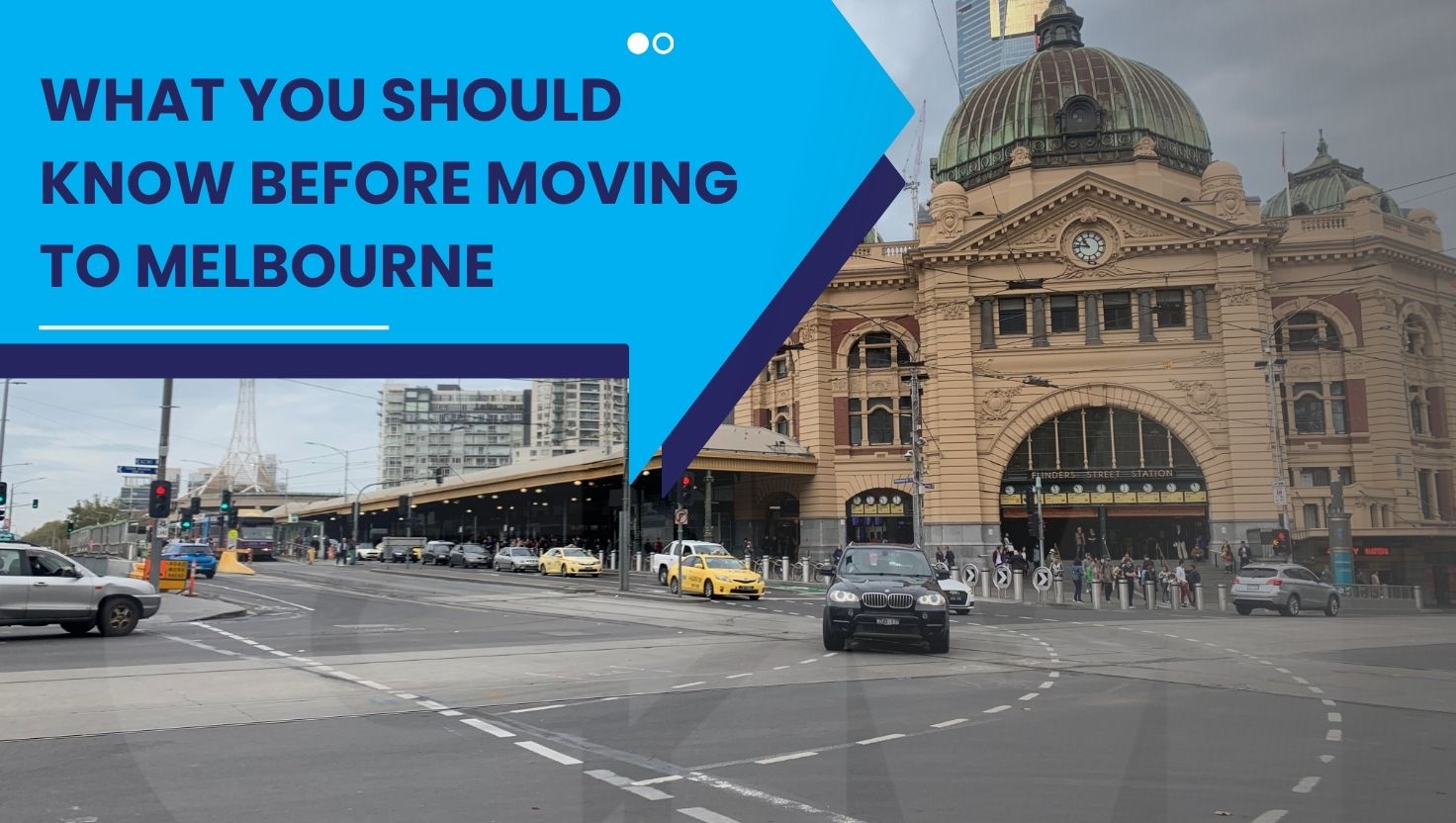

Moving to Melbourne offers exciting opportunities, but it also comes with practical considerations that differ from many other cities. Known for its strong arts culture, diverse neighbourhoods, respected universities, and vibrant lifestyle, Melbourne attracts people from across Australia and around the world.
However, settling into the city requires preparation. From a competitive housing market to distinctive weather patterns, understanding what to expect before you move can help make the transition smoother and less stressful. For anyone considering moving to Melbourne, understanding the city’s housing market, transport system, and lifestyle differences can make the relocation process far more manageable.
With the right planning and support from experienced relocation specialists such as CM Relocation, newcomers can navigate these challenges more confidently. If you are also researching the broader process of moving to Australia, understanding visa preparation, lifestyle differences, and relocation planning can help you prepare more effectively.
What Makes Moving to Melbourne Different
Melbourne is widely considered Australia’s cultural capital. The city is known for its food scene, festivals, sporting events, and creative industries. This reputation attracts thousands of new residents every year.
While the lifestyle benefits are appealing, newcomers often discover that Melbourne has unique characteristics that influence daily life.
These include:
- A highly competitive housing market
- Variable weather conditions throughout the year
- Busy transport corridors and peak hour traffic
- Seasonal allergy periods that affect many residents
Preparing for these factors in advance allows individuals and families to adjust more quickly after arriving.
Why Timing and Preparation Matter
Planning ahead is particularly important when moving to Melbourne. The property market moves quickly, especially in desirable suburbs close to the city centre or major transport routes. Timing plays a major role when moving to Melbourne, particularly for individuals and families searching for rental properties in high demand suburbs.
Limited housing supply and high demand mean that rental properties and homes can be secured within a short period after listing. Arriving without sufficient preparation may extend the time required to find suitable accommodation.
Another factor that many newcomers underestimate is the social adjustment period. As a large metropolitan city, Melbourne offers countless opportunities to connect with others, but building meaningful local networks often requires time and active participation in community activities.
Taking part in local events, professional networks, or neighbourhood groups can help new residents feel settled more quickly. Many expats find that building a social circle in a new country plays a major role in adjusting successfully after relocation.
Understanding Melbourne’s Housing Market
Housing is often one of the most challenging aspects of relocating to Melbourne. Property prices in popular inner suburbs have increased significantly over the years, making some areas less accessible for newcomers.
Instead of focusing only on central neighbourhoods, many people find success by exploring emerging suburbs that offer good transport links and growing amenities. For newcomers comparing Melbourne with other cities, researching the best places to live in Australia can help determine which location best suits your lifestyle, career goals, and family needs. These locations can provide a balance between affordability and convenience.
When researching areas to live, it is helpful to consider several practical factors:
- Distance from train stations or major transport routes
- Access to shopping centres, healthcare facilities, and schools
- Local infrastructure developments that may affect traffic or neighbourhood growth
- Parking availability and local parking regulations
Choosing a suburb with reliable transport connections can significantly improve daily commuting and overall lifestyle. Many people moving to Melbourne choose suburbs that balance affordability, public transport access, and lifestyle convenience.
What to Expect from Rental Applications
Melbourne’s rental market can move quickly, especially in well located areas. Prospective tenants are often required to attend property inspections and submit applications soon after viewing the property.
Preparing the necessary documentation in advance can improve your chances of securing a rental property. This may include:
- Identification documents
- Employment verification or income statements
- Previous rental references
- Completed application forms
In many cases, successful applicants submit their applications shortly after inspections. Having all documents ready helps ensure you do not miss opportunities in a competitive market.
Melbourne’s Climate and Daily Life
Melbourne’s weather is well known for its variability. Residents often experience multiple weather changes in a single day, particularly during transitional seasons. Preparing for weather changes is an important part of moving to Melbourne, especially for newcomers unfamiliar with the city’s unpredictable climate.
This means it is helpful to be prepared with layered clothing and flexible daily routines. While the climate is generally mild compared with many global cities, there are several seasonal factors that can affect newcomers.
Allergy Seasons in Melbourne
Melbourne is recognised for experiencing significant pollen seasons. Grass pollen levels are often highest between October and December, although some seasons may begin earlier.
Many residents experience symptoms such as sneezing, itchy eyes, or respiratory discomfort during this period. Even individuals who have not previously suffered from allergies may notice symptoms after moving to the city.
Preparing for this period can make a noticeable difference. Many residents find it helpful to:
- Keep antihistamine medication available
- Monitor pollen forecasts during peak months
- Use air purifiers indoors during high pollen periods
Consulting a local healthcare professional can also help newcomers manage allergy symptoms more effectively.
Winter Living Conditions
Another aspect that surprises many new residents is Melbourne’s indoor winter conditions. Although the city does not experience extremely low temperatures, some older homes lack modern insulation or double glazing.
As a result, indoor temperatures can feel colder than expected during winter months.
To stay comfortable, many residents rely on:
- Warm indoor clothing
- Portable heaters or energy efficient heating systems
- Insulated curtains or draft protection
Planning for heating needs early can help prevent discomfort and manage energy costs during colder months.
Navigating Melbourne’s Transport Network
Melbourne has one of the largest public transport systems in Australia. The network includes trains, trams, and buses that connect the city centre with surrounding suburbs.
For many commuters, trains and trams provide the most reliable travel options, particularly during peak hours. Bus routes are also widely available, although they may be affected by traffic congestion in busy areas.
When choosing a place to live, proximity to public transport often plays an important role in reducing daily commute times.
Many residents prefer living near train lines or major tram corridors because these services typically operate more frequently and predictably.
Checking real travel times during peak hours can help provide a more accurate picture of daily commuting conditions.
Preparing for a Smooth Move
Relocating to Melbourne can be a rewarding experience, but preparation makes a significant difference. Reviewing other things to know before moving to Australia can also help newcomers prepare for healthcare, housing, transport, and cultural adjustments before arriving. From researching housing options to understanding local weather patterns and transport systems, careful planning helps newcomers adjust more easily.
Working with experienced relocation specialists can simplify the process. Professional international relocation services to Australia can assist with packing, customs requirements, shipping coordination, and delivery logistics for a smoother transition.
At CM Relocation, relocation services are designed to support individuals and families throughout the moving process. With careful coordination and expert guidance, settling into Melbourne can become a far more manageable and enjoyable experience.
Moving to Melbourne can feel overwhelming without the right support, but careful planning can make the process significantly easier. CM Relocation helps individuals and families manage every stage of moving to Melbourne, from international shipping and logistics to settling into a new home with confidence.
Ready to start moving to Melbourne with confidence? Contact CM Relocation today to receive expert support with shipping, logistics, and international relocation planning.