
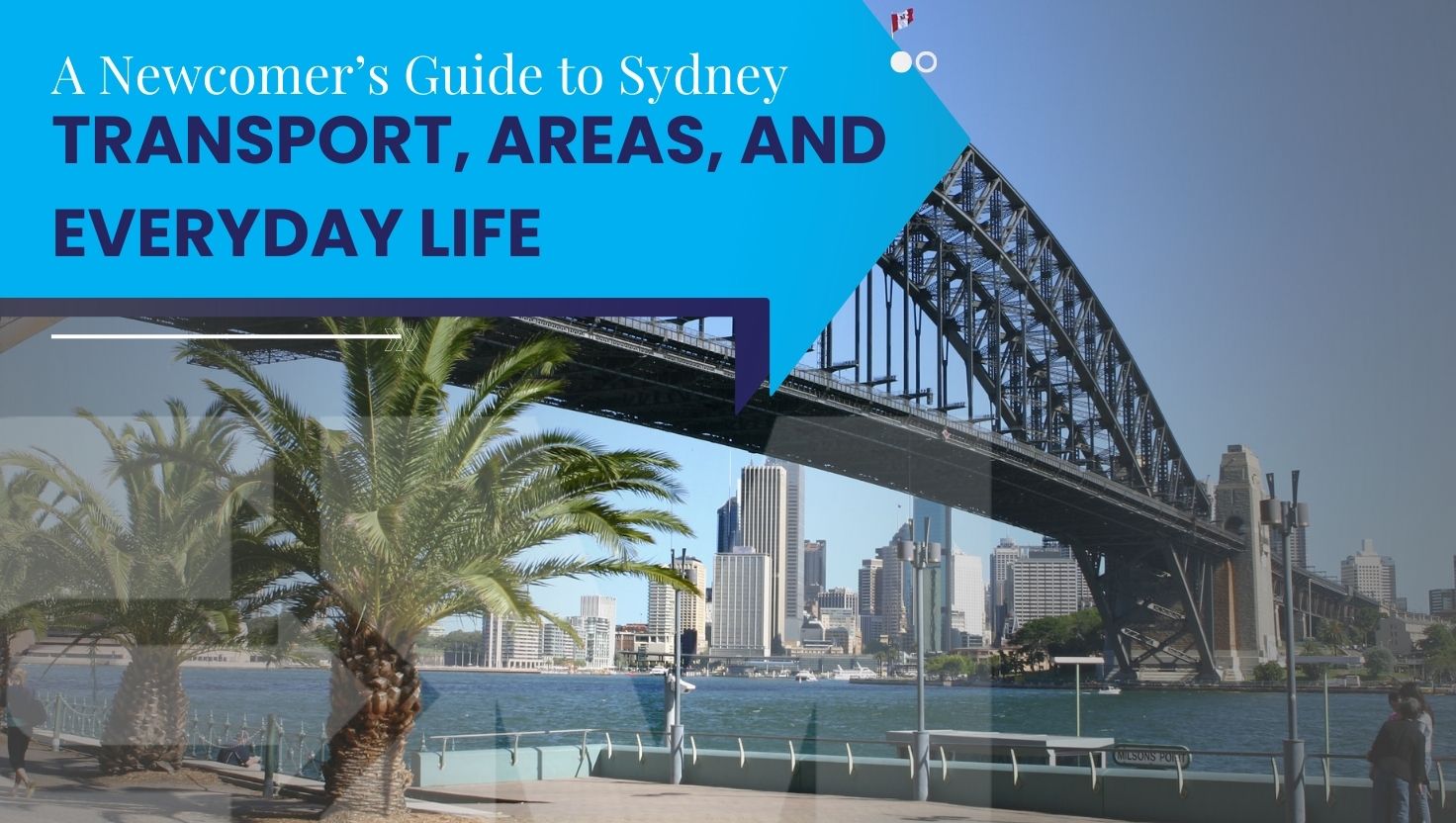
Living in Sydney means a harbour city with a comprehensive public transport network, distinct neighbourhoods, a relaxed work culture and a mild climate, but also high housing demand. To settle well, learn the Opal card system, choose your suburb by lifestyle and commute, and plan housing and daily routines early.
How does public transport work when living in Sydney?
Sydney’s public transport covers trains, buses, light rail and ferries, and most journeys use the same payment system. You tap on at the start of a trip and tap off at the end. Once you understand the Opal system, getting around is straightforward.
Transport is one of the first things to sort out when living in Sydney, especially if you planned ahead with a moving checklist. Transport for NSW explains that you can pay with an Opal card, a credit or debit card or a linked device in Sydney and surrounds, and that you tap on and tap off to pay the right fare. The network covers Sydney, the Blue Mountains, the Central Coast, the Hunter and Illawarra. See the official Opal information for current fares, and for whether fare caps or travel rewards apply to your trips.
The Opal card
An Opal card is a rechargeable smart card you tap on and off when you travel. You can buy one at convenience stores, newsagents or train stations, or use a contactless card or digital wallet instead. Frequent travellers should check the current Opal rules, as discounts and caps can change.
Trains
Trains are the go-to option for many commuters, especially those living in suburbs farther from the CBD (Central Business District). They run frequently and connect key areas such as Parramatta, North Sydney, Bondi Junction and the airport.
Buses
Buses fill the gaps where trains do not reach. They can be slower during peak hours because of traffic, but they are reliable and cover an extensive network.
Light rail
Sydney’s light rail lines connect the inner city with hubs such as Surry Hills, Haymarket and the Inner West. Trams are clean, air-conditioned and a scenic way to get around.
Ferries
Ferries run across Sydney Harbour and are an unforgettable way to commute, especially if you live in places like Manly, Mosman or Balmain.
Where is the best place to live in Sydney?
The best area depends on your budget, lifestyle and how far you are willing to commute. Professionals often choose the CBD and inner city, beach lovers the Eastern Suburbs, families the North Shore, and those seeking more space or affordability look west. Visit before you commit.
Sydney is a sprawling city made up of many neighbourhoods, each with its own personality and price level. Living in Sydney is easier when you match the suburb to how you actually spend your week. Our guide to the best places to live in Australia for work, study and family life compares other cities if you are still deciding.
| Area | Best for | Highlights | Considerations |
|---|---|---|---|
| CBD and inner city | Professionals, singles, expats | Walking distance to offices, strong public transport, dining and nightlife | Higher living costs and smaller apartments |
| Eastern Suburbs (Bondi, Coogee, Randwick) | Beach lovers, active lifestyles | Surf, coastal walks, trendy cafés | Traffic, especially at weekends |
| Inner West (Newtown, Marrickville, Leichhardt) | Artists, students, young professionals | Cultural diversity, food scene, relaxed feel | Older homes and rising rents due to popularity |
| North Shore (Neutral Bay, Chatswood, Mosman) | Families, expats, professionals | Good schools, leafy streets, ferry access | More suburban feel, higher rents in prime spots |
| Western Sydney (Parramatta, Blacktown, Liverpool) | Larger families, affordability | Growing infrastructure, multicultural communities | Longer commutes to the CBD |
If you are unsure where to settle, start with short-term accommodation while you explore neighbourhoods in person. It is also worth reading about renting vs buying abroad before you sign a long lease.
What is daily life like when living in Sydney?
Daily life in Sydney is professional but relaxed, and living in Sydney suits most newcomers quickly. Office hours are typically 9 am to 5 pm, dress codes are usually business casual, and supermarkets and weekend markets cover everyday shopping. Healthcare is widely available through public and private providers, and eligibility for public cover depends on your visa.
Work culture
Sydney has a professional but laid-back work culture, and most newcomers adjust smoothly. Punctuality and clear communication are valued, but the environment is generally more relaxed than in many other global cities.
- Working hours: typically 9 am to 5 pm.
- Dress code: business casual in most industries.
- Remote work: increasingly common, especially since the pandemic.
Grocery shopping
You will find major supermarkets such as Coles, Woolworths and ALDI throughout the city. Local produce markets are popular for fresh fruit, vegetables, meat and baked goods, and weekend markets such as Carriageworks Farmers Market and Bondi Farmers Market offer quality local produce.
- Reusable bags: bring your own or buy at checkout, as plastic bags are mostly phased out.
- Markets: good for fresh produce and artisanal goods.
Healthcare
Australia has a well-regarded healthcare system, and public cover is provided through Medicare. Whether you are eligible depends on your visa and your circumstances, so confirm this with Services Australia before you arrive. Private health insurance may still be recommended or required.
Pharmacies (chemists) are widely available and often offer basic consultations for minor health issues.
What is the weather like when living in Sydney?
Sydney has a temperate climate with warm summers and mild winters, which suits an outdoor lifestyle. Seasons are reversed compared with the northern hemisphere, so summer runs from December to February. Winters are cool but rarely freezing, and spring and autumn are pleasant for exploring.
Understanding the weather helps you plan your lifestyle and daily activities. A coastal setting and plenty of parks mean you will quickly see why Sydneysiders love outdoor activities such as:
- Beach days and surfing.
- Picnics in the Royal Botanic Garden.
- Harbour walks and coastal hikes.
- Weekend road trips to the Blue Mountains or Hunter Valley.
What should you know about the cost of living in Sydney?
Sydney is one of the most expensive cities in Australia, especially for housing and dining. Rent is typically the biggest expense, so many newcomers choose suburbs a little farther from the centre while keeping good transport access. Work out your monthly budget early to avoid financial stress.
Rent is highest in central areas such as the CBD, the Eastern Suburbs and the North Shore. Daily expenses like groceries, transport and utilities are manageable with sensible budgeting. Shopping at local markets and checking transport fare rules can help. Planning ahead for the cost of living in a new country is one of the best ways to enjoy living in Sydney.
How do you build a social life when living in Sydney?
Join clubs, attend local events, volunteer and use expat or meetup apps to meet people early. Australians are generally friendly and open, especially if you show genuine interest. Making friends as an adult takes effort, but living in Sydney offers plenty of ways to start.
- Join clubs or interest groups such as fitness, art or language exchange.
- Attend local events or meetups in your area.
- Volunteer, which is a good way to build community.
- Use apps like Meetup, Bumble BFF or InterNations to connect with other expats.
Frequently asked questions
Is living in Sydney expensive?
Sydney is one of the most expensive cities in Australia, mainly because of housing. Rent is usually the largest expense, particularly in central areas. Living slightly farther from the CBD, near a train or ferry line, can ease the pressure. Build a realistic monthly budget before you commit to a lease.
How do I get around when living in Sydney?
Most people use trains, buses, light rail and ferries, paid for with an Opal card, a credit or debit card or a linked device. You tap on at the start of a trip and tap off at the end. Some people also drive, depending on where they live.
Which Sydney suburb is best for expats?
It depends on your lifestyle. The CBD and inner city suit professionals, the Eastern Suburbs suit beach lovers, the Inner West suits those who like culture and food, and the North Shore suits families. Western Sydney offers more space. Visit several areas before you choose.
What is the weather like in Sydney?
Sydney has a temperate climate with warm summers and mild winters. Summer runs from December to February and is hot and sunny, winter from June to August is cool but rarely freezing, and spring and autumn are pleasant. If you are arriving from a tropical country, pack for cooler evenings.
Can I use Medicare when living in Sydney?
Medicare is Australia’s public health cover, but eligibility depends on your visa and circumstances. Some newcomers are eligible and others are not. Check your position with Services Australia before you arrive, and consider private health insurance, which may be recommended or required for some visa types.
What is the work culture like in Sydney?
Living in Sydney comes with a professional but relaxed work culture. Hours are typically 9 am to 5 pm, dress is usually business casual, and punctuality and clear communication are valued. Remote work has become increasingly common. Many newcomers find the balance between work and personal time easy to adjust to.
How do I make friends when living in Sydney?
Join clubs or interest groups, attend local events, volunteer and use apps such as Meetup or InterNations. Start conversations with neighbours and colleagues, because Australians are generally friendly and open. Building a social circle takes time, so keep showing up to the same places.
Should I rent short term first when moving to Sydney?
Short-term accommodation is a sensible start if you are unsure where to settle. It lets you explore neighbourhoods and test commutes before signing a longer lease. Once you know which suburb suits your routine, you can search with more confidence and fewer surprises.
Planning a move to Sydney? Request a quote from CM Relocation for packing, shipping and relocation support.