
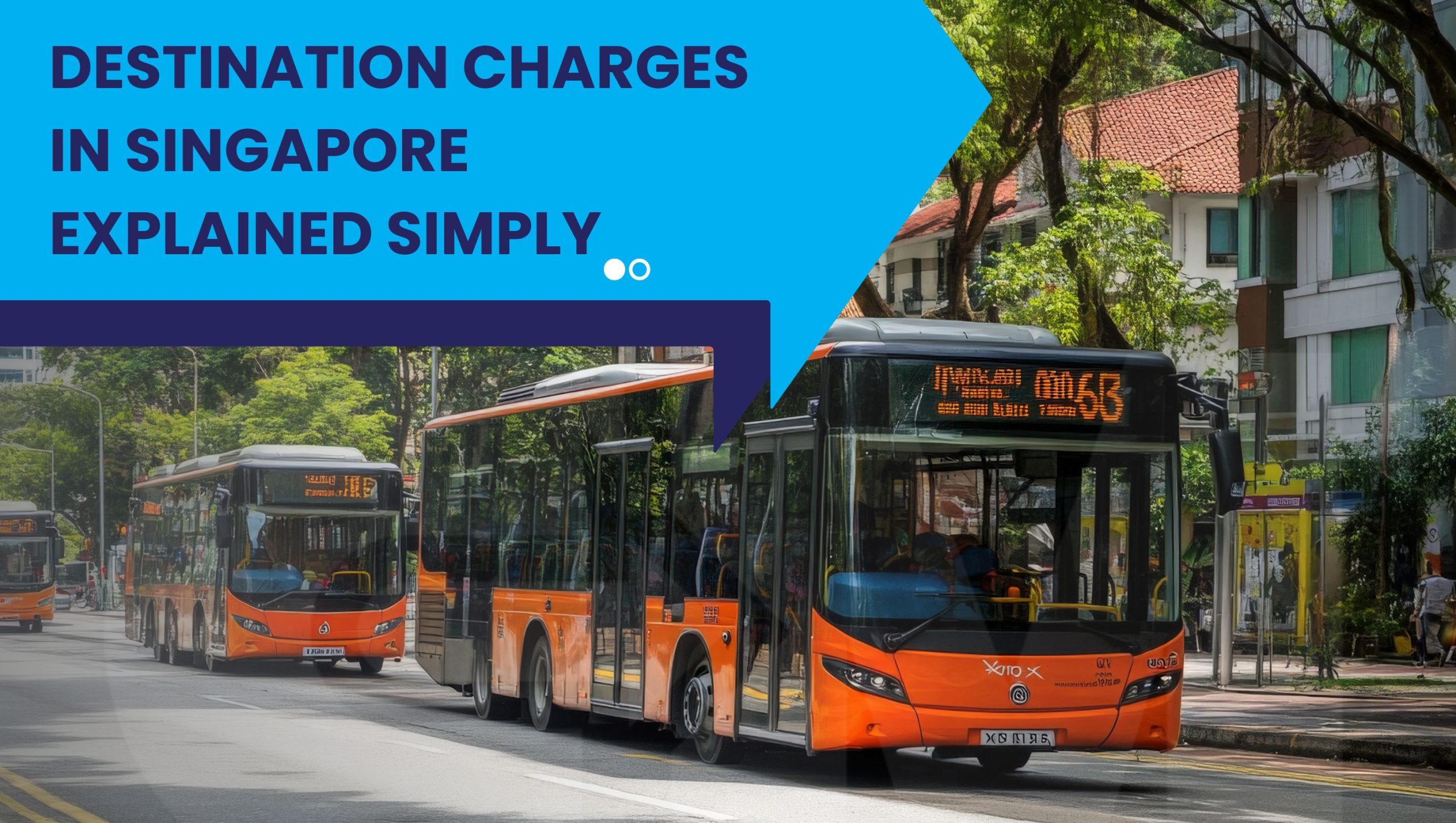
Destination charges in Singapore cover receiving your shipment at the port or airport and delivering it to your home: terminal handling, documentation and customs processing, any inspection, port storage if there are delays, and local transport. Some movers include them in the quote and others bill them separately, so ask whether your quote is door-to-door and all-inclusive.
If you’re planning a move to Singapore, whether for work, family, or a long-term assignment, one of the most confusing parts of international relocation is understanding destination charges. These fees often appear on your final invoice after your shipment arrives, and many people are surprised by them because they’re not always spelled out clearly during the quoting stage.
At CM Relocation, we believe in transparency. So here’s a simple breakdown of what destination charges are, why they exist, and how they affect your moving budget.
What are destination charges in Singapore?
Destination charges in Singapore are the fees you pay once your shipment arrives at the port or airport, covering the handling, processing and transport of your goods to your new home. They are one of the two parts of an international moving fee, alongside origin charges.
Think of it this way:
Your international moving fee is made up of two major parts:
- Origin charges – Costs for packing, loading, export documentation, etc.
- Destination charges – Everything needed to receive, clear, and deliver your shipment to your new residence in Singapore.
These charges ensure your belongings move smoothly through customs and into your home.
Why do destination charges exist?
Destination charges exist because every shipment must be received, cleared and delivered after it arrives, which takes manpower, port facilities and customs processing. They apply in every country, so a door-to-door price can still leave some charges to pay unless the quote says otherwise.
Even if your origin country or mover charges “door-to-door,” destination charges may still apply unless explicitly stated otherwise. That’s why understanding them early helps you avoid surprises.
What is included in destination charges in Singapore?
The most common destination charges in Singapore are terminal handling, documentation and customs processing, inspection where applicable, port storage or demurrage if delayed, local transport, and delivery with unpacking. Exact fees vary with shipment size, mode of transport and the services you choose.
| Charge | What it covers | When it applies |
|---|---|---|
| Terminal handling | Unloading from the vessel or aircraft, moving containers within the terminal, use of port equipment and manpower | On every shipment |
| Documentation and customs processing | Customs declarations, GST relief application if eligible, import forms and permits | On every shipment |
| Customs inspection | A physical check or x-ray scan | Only if the shipment is selected or flagged |
| Port storage or demurrage | Storage at the port and container use beyond the free period | Only if clearance or delivery is delayed |
| Local transport | Moving goods from the port or warehouse to your home, including shuttle trucks or bulky items | Depends on access and the items |
| Delivery and unpacking | Delivery to your home, unpacking, reassembly and removal of packing debris | If your package includes full destination services |
1. Terminal Handling Charges (THC)
These are fees set by shipping lines or airlines for handling containers and cargo when they arrive. They cover:
- Unloading from the vessel or aircraft
- Moving containers within the terminal
- Use of port equipment and manpower
THC is standard and unavoidable.
2. Documentation and Customs Processing Fees
Customs processing in Singapore involves:
- Filing customs declarations
- Applying for GST relief (if eligible)
- Preparing import forms and permits
- Submitting paperwork to relevant agencies
If you qualify for GST relief, the request is made through a Declaration of Facts, which must be submitted before the shipment arrives. A late submission is rejected and GST becomes payable (see Singapore Customs guidance on sending unaccompanied items). According to Singapore Customs, your appointed agent then collects the goods from the port or air freight centre (see how shipped items are collected on arrival).
Your mover or local agent handles this on your behalf, and these administrative costs form part of the destination charges.
3. Customs Inspection Fees (If Applicable)
While not every shipment is inspected, customs may conduct a physical check or x-ray scan. If this happens, inspection fees may apply, depending on the type of check. Ask your mover how these would be charged.
Inspections are typically triggered by:
- Suspicious or restricted items
- Incomplete documentation
- Random selection
4. Port Storage or Demurrage Fees (If Delayed)
If your shipment cannot be cleared or delivered on time, due to missing documents, delayed arrival, or outstanding payments, storage charges may apply. These include:
- Port storage fees
- Container demurrage fees (charged by the shipping line for container use beyond the free period)
Working with a reliable mover helps avoid these unnecessary extra costs.
5. Local Transportation Fees
Once your goods are cleared, they must be moved from the port or warehouse to your home. Charges depend on:
- Whether a shuttle service is needed (e.g., if containers cannot access your building)
- Handling of bulky, heavy or special items such as Pianos, Pool Tables etc
6. Delivery and Unpacking Services
If your relocation package includes full destination services, these charges may also cover:
- Delivery to your home
- Unpacking and reassembly
- Removal of packing debris
At CM Relocation, these services are clearly listed so clients know exactly what they’re paying for.
Do all movers include destination charges in their quotes?
No. Some movers include every cost in a single door-to-door rate, while others quote low and add destination fees later. Ask each mover whether its quote covers all destination charges in Singapore, customs clearance and delivery, and get the answer in writing. This is more likely when a quote looks much lower than the others you have received.
To protect yourself, always ask:
- “Does this quote include all destination charges in Singapore?”
- “Are there any fees I will need to pay upon arrival?”
- “Is customs clearance and delivery included?”
At CM Relocation, we prioritise transparency, so clients know what to expect before they book.
What factors affect destination charges in Singapore?
Four things drive the total: shipment size, mode of transport, the type of residence you are moving into, and customs requirements such as permits or inspections. Larger shipments, restricted access and restricted goods all tend to raise destination charges in Singapore.
1. Shipment Size
Larger shipments mean higher handling and delivery fees.
2. Mode of Transport
- Sea freight often has more port-related charges.
- Air freight may have higher documentation and handling fees but faster processing.
3. Type of Residence
High-rise apartments, limited-access buildings, or lack of lifts may incur additional labour or shuttle truck fees.
4. Customs Requirements
If special permits, inspections, or restricted goods are involved, fees may increase.
How can you avoid unexpected destination charges in Singapore?
Ask for an itemised quote, give accurate details of your goods, keep prohibited items out of the shipment, prepare documents early and confirm in writing what is included. Missing permits or misdeclared items can lead to storage, demurrage and inspection costs.
- Choose a reputable door-to-door mover. Companies like CM Relocation ensure charges are itemised and explained upfront. Our guide to choosing an international moving company in Singapore shows what to compare.
- Provide accurate info about your goods. Misdeclared items can lead to inspection delays and extra fees.
- Avoid packing prohibited or restricted items. Singapore is strict about alcohol, cigarettes, e-cigarettes, drones, and certain electronics.
- Prepare documents early. Missing permits can lead to storage and demurrage costs.
- Ask for a detailed breakdown. A transparent quote helps you budget and prevents hidden charges.
Destination charges are a normal part of international moving, but they don’t have to be confusing. Understanding what they include and how they work allows you to plan your budget and avoid surprises.
Frequently asked questions
What are destination charges in Singapore?
Destination charges in Singapore are the fees for receiving, clearing and delivering your shipment once it reaches the port or airport. They typically include terminal handling, customs processing, local transport and delivery. Whether they sit inside your quote or are billed separately depends on the mover.
Are destination charges included in a door-to-door quote?
Not always. Some movers include them in one all-inclusive rate and others bill them separately after arrival. Ask whether the quote covers destination charges, customs clearance and delivery, and ask for the answer in writing so there are no surprises on the final invoice.
How much are destination charges in Singapore?
The amount varies with shipment size, mode of transport, the type of residence and customs requirements, so no single figure is reliable. Ask for a written, itemised quote that lists each destination charge, and ask which items could change after the shipment arrives.
What is a terminal handling charge?
A terminal handling charge is the fee set by shipping lines or airlines for handling containers and cargo when they arrive. It covers unloading from the vessel or aircraft, moving containers within the terminal and use of port equipment and manpower. It is a standard part of the process.
What is demurrage and when does it apply?
Demurrage is a charge by the shipping line for using a container beyond the free period. It can apply if a shipment cannot be cleared or delivered on time, for example because of missing documents or outstanding payments. Preparing paperwork early is the best way to avoid it.
Who handles customs paperwork on arrival in Singapore?
Your mover or local agent usually files the customs declarations, applies for GST relief if you are eligible, and submits paperwork on your behalf. Singapore Customs says the agent also collects the goods from the port or air freight centre. The administrative cost forms part of destination charges.
Do air and sea shipments have different destination charges?
They can. Sea freight often has more port-related charges, while air freight may have higher documentation and handling fees but faster processing. Ask your mover to show the destination charges in Singapore for each option, using the same quote format, so you can compare them.
Can I avoid destination charges in Singapore?
You cannot avoid the work, because every shipment must be received, cleared and delivered. You can avoid surprise charges by choosing an all-inclusive quote, giving accurate information, avoiding restricted items and preparing documents early. Ask for the full breakdown before you book.
At CM Relocation, we guide you through every step of the process, so your move to Singapore is clear and well explained. If you need help with an upcoming relocation or want a detailed, all-inclusive quote, our team is ready to assist.